Researchers in lab

Graduate and Medical Students

From research fellowships to symposiums to clinical educational experiences, graduate and medical students have access to opportunities designed to promote and support successful careers.

Educational Opportunities

Learn about the educational and training opportunities for graduate and medical students.
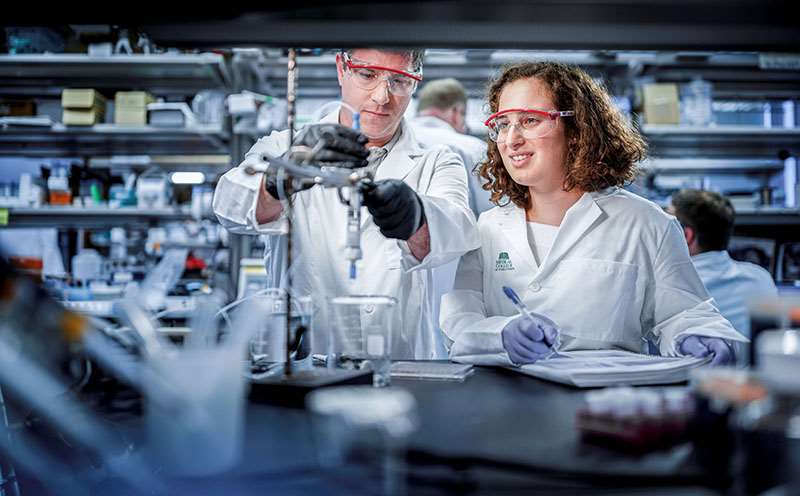
Researchers in Lab
all
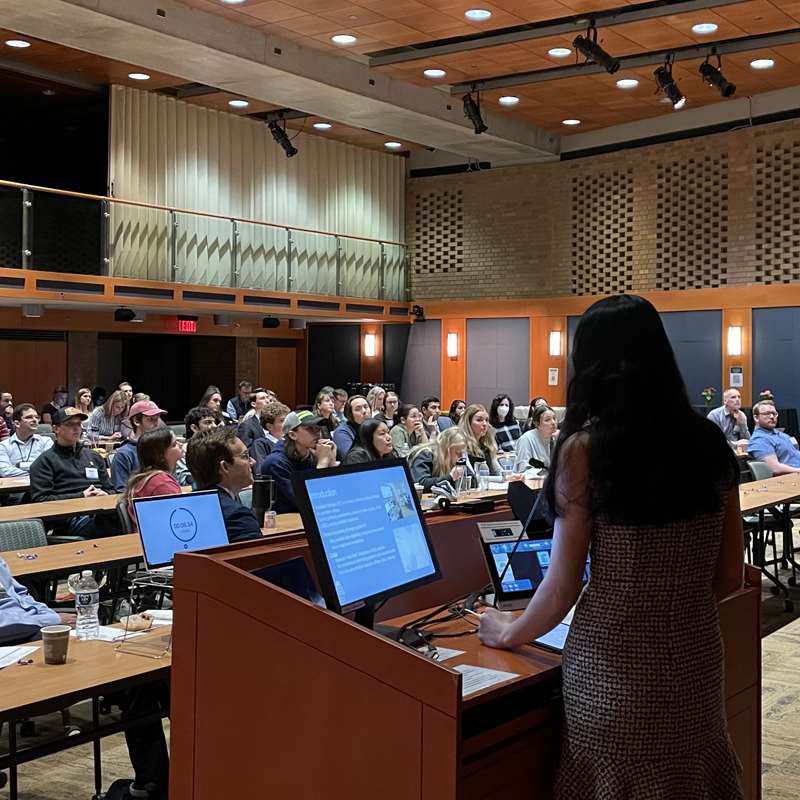
Annual Research Trainee Symposium
This annual symposium allows trainees an opportunity to showcase their research through oral presentations and poster sessions. The event includes a keynote address from a nationally renowned scientist with attendees comprised of high school, college, and graduate students as well as postdoctoral trainees.

Read about the 2024 Trainee Symposium
ACS Medical Student Fellowship Program

The MCW Cancer Center Medical Student Fellowship provides a one-year, full-time research fellowship to support the development of highly promising and accomplished medical student trainees with the potential to become cancer researchers. Due to the complexity of cancer, finding ways to prevent and cure this disease requires a multidisciplinary effort. Therefore, medical students at MCW with an interest in cancer relevant research are encouraged to apply.

Deadlines

  • LOI Due: Aug. 1, 2025
  • Application Due: Sept. 15, 2025
  • Notification of Awards: Nov. 1, 2025
  • Funding Begins: Jan. 2, 2026

View the RFA for more information (PDF)


Cancer Careers Symposium

This day-long annual symposium is organized and presented by residents and fellows who partner with faculty to provide case examples that include research components.

The event is designed to:

  • Increase awareness of oncology specialties and research opportunities
  • Promote networking and connect students with mentors
  • Explore multi-disciplinary teams in research
  • Introduce the importance of equity, diversity, inclusion, and belonging
  • Provide hands-on learning during an afternoon simulation lab
Graduate School Programs
Graduate students have access to certificate, MS, and PhD training programs in multiple areas such as biomedical engineering, immunology, and public health. By learning alongside nationally recognized researchers and educators, students will receive an enriching and engaging learning experience.

Find a graduate school program
Medical Scientist Training Program (MSTP)
To address the national shortage of physician-scientists, the Cancer Center participates in MCW’s long-standing Medical Scientist Training Program (MSTP), which supports medical and research training culminating in the receipt of both an MD and PhD. If students remain in good standing, they are provided a tuition scholarship, a generous stipend, along with health insurance paid for by the program.

This learning opportunity hosts a diverse cohort of students who have a variety of undergraduate majors including biology, biochemistry, chemistry, biomedical engineering, math, physics, microbiology, neuroscience, genetics, biological sciences, psychology, philosophy, and English.

Explore MSTP
Medical Student Summer Research Program (MSSRP)

Partially funded by the National Institutes of Health (NIH), this program provides 8-12 weeks of laboratory and didactic research training designed to expose medical students to research and research careers at an influential time in their career decision-making.

The program aims to:

  • Provide trainees with rigorous, hands-on, fundamental research experiences within the translational research laboratories of full-time, NIH-funded MCW investigators
  • Facilitate opportunities for trainees to observe how discoveries translate into the development of new drugs, devices, and treatment modalities in the clinical arena
  • Encourage trainees to remain connected to research and mentoring beyond the short term through opportunities to publish, present, and continue advancing their projects toward Honors in Research
Predoctoral Fellowships

The MCW Cancer Center Graduate Fellowship supports the development of highly promising and accomplished PhD trainees with the potential to become independent cancer research scientists. Due to the complexity of cancer, finding ways to prevent and cure this disease requires a multidisciplinary effort. Therefore, doctoral students in any discipline at MCW with an interest in cancer research are encouraged to apply. The program provides up to two years of support, including coverage of the fellow’s stipend and health insurance. Stipends are determined using MCW Graduate School stipend amount.

  • LOI Due: Jan. 12, 2026
  • Application Due: Feb. 16, 2026 by 5:00 p.m. CST
  • Notification of Awards: April 27, 2026
  • Award Begins: July 1, 2026

View the Graduate Fellowship RFA for full details and instructions. (PDF)

See how the Graduate Student proposal will be evaluated. (PDF)

See how the Medical Student proposal will be evaluated. (PDF

Summer Academic Programs for Medical Students (SAMS)
Summer programs are available to help students actively participate on a research team supervised by Cancer Center members. Participants gain opportunities to observe how discoveries translate into the development of new treatments and to explore basic science, clinical or translational research, and potential research careers.

Discover SAMS
Trainee Travel Award

MCW Cancer Center trainees have access to a Trainee Travel Award that offers reimbursement for conferences, travel costs for conducting research with a collaborator, and attending workshops and courses. Twenty awards will be available per calendar year.

All Trainee Travel Awards have been awarded for CY2025.

Learn more about the award and eligibility (PDF).

Fellowship Awardees

People in MCW hallway
all
2025
  • Jacob Bartosiak: Immune Endocrine Signaling Interactions
  • Logan Elkin: Understanding the action and risks of benzodiazepines in cancer chemotherapy
  • Zainab Khalid: Impact of TRPV4 on Chemotherapy Induced Mechanical Sensitization and Alopecia
2024
  • Josiah Murray, BS: Cohesin Haploinsufficiency Disrupts Polycomb Targeting in Hematopoiesis and Myeloid Leukemogenesis
  • Maria Poimenidou, BA: Cryopreservation Effects on Energy Metabolism, Activation, and Differentiation of CAR-T Cells
  • Anusha Rengarajan, B-Tech: Mechanistic Investigations of Oncogenic RAB35 Variants in Disrupting Epithelial Cell Polarity
  • Sarah Rine, PhD: Social Determinants of Cervical Cancer Prevention among Female Sex Workers and their Children in Kampala, Uganda
2023
  • Omar Cortez-Toledo, BA: Elucidation of Microenvironmental Signals that Contribute to Pancreatic Cancer Metastasis
  • Viren Shah, PhD: Computational Simulations of Network Dynamics and Response in CART Therapy
  • Casey Zoss, BS: Discovery and Application of Iron and Angiogenic Biomarkers in Glioblastoma to Optimize Treatment with Gallium Maltolate
2022
  • Karina Bursch, BS: PBRM1 Missense Mutations in ccRCC Vascular Signaling
  • Alfredo Colina, BA: Biological Mechanisms and Immune Signatures Driving Antitumor CAR-T Cell Responses in Patients with Non-Hodgkin Lymphoma
  • Olivia Franklin, BS: Defining the Role of GATA4 in Esophageal Diseases