
Strengthening the Power of the Immune System
At MCW, researchers are developing new ways to harness the immune system to recognize and destroy cancer. By uncovering how immune cells detect tumors—and how cancers evade those defenses—they are designing therapies that strengthen the body’s natural ability to fight disease.
One area of focus is advancing next-generation CAR T-cell therapy. While traditional CAR T-cell therapies target a single protein on cancer cells and have shown remarkable success in certain blood cancers, some tumors escape treatment by losing or altering that target. MCW investigators are developing dual-targeted CAR T therapies that recognize two distinct proteins simultaneously, helping prevent immune escape and improving the potential for durable responses.
MCW researchers are also tackling one of immunotherapy’s greatest challenges—treating solid tumors such as breast, lung, pancreatic, and colorectal cancers. These tumors create environments that suppress the immune response and limit the effectiveness of current therapies. To overcome these barriers, investigators are developing strategies to improve immune cell trafficking and persistence within tumors while reprogramming the tumor microenvironment to support—rather than suppress—an effective immune response.
Together, these efforts are helping expand the reach of cancer immunotherapy. By overcoming the barriers that limit today’s treatments, MCW researchers are working to make immunotherapy effective for more patients and more types of cancer.

On-Site CAR T-Cell Production
At the MCW Cancer Center, CAR T-cell therapy is brought closer to the patient through on-site cell production—an approach that makes highly personalized, immune-based treatment part of the immediate care environment. A patient’s own immune cells are collected, reprogrammed in the laboratory to better recognize and attack cancer, and returned for infusion without delays. By reducing the time from collection to infusion, patients receive their engineered cells at a point when they are best positioned to respond.

From the Gut to the Genome: Kudek Lab Seeks Better Treatments for Children
Guided by science and collaboration, Dr. Matthew Kudek is driven to transform complex immune responses into solutions that protect children long after cancer is gone.

Study Examines New Bridging Approach to CAR T-Cell Therapy in Multiple Myeloma
Dr. Othman Akhtar uses targeted immunotherapy to stabilize patients while their personalized CAR T-cell therapy is manufactured, supporting safer and more effective treatment.

MCW Cancer Center Trial Tests Cutting-Edge Radioimmunotherapy to Improve AML Outcomes
Researchers at MCW are testing a more precise treatment approach that delivers radiation directly to cancer cells while leaving healthy tissue unharmed.
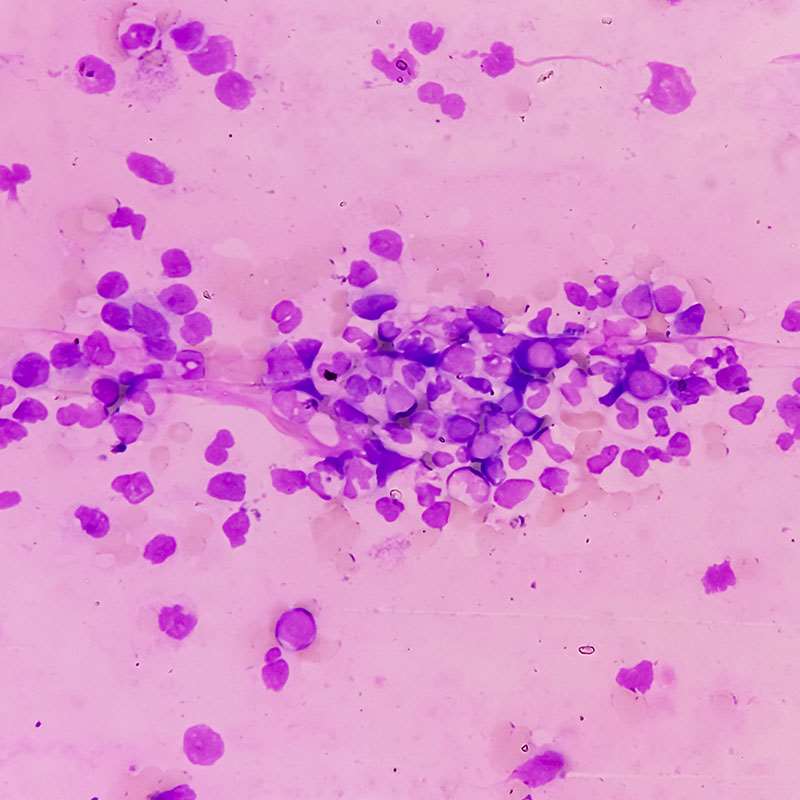
Combination of Chemotherapy and CAR-T Therapy Helps Leukemia Patients Achieve Remission
MCW Cancer Center investigators discovered that chemotherapy coupled with CAR-T infusion helped patients with acute lymphocytic leukemia achieve another remission, opening the door to promising new therapies.